
Frederick II of Swabia’s network of castles
For Frederick II, castles (castra) were not only fortifications necessary to strategically control and defend the territory, but also a comfortable and pleasant place of residence (domus). The two functions combine to also take on the further role of symbolic representation of power: they make the sovereign's might visible and perceivable even when he was not physically present. Frederick had the merit of recovering and strengthening the castle system of his Norman predecessors, promoting construction and restoration.
A precious document from the Frederick era, the Statutum de reparatione castrorum ("Statute on the repair of castles", a legal assessment device that established which communities had to take care of their maintenance), documents as many as 111 castles in the Apulian and Lucanian territory, of which 16 in the Land of Bari: Bari, Trani, Barletta, Canne, Canosa, Andria, Castel del Monte, Corato, Gravina (castle and domus), Poggiorsini, Ruvo, Terlizzi, Gioia del Colle, Santeramo and Acquaviva. To these must also be added "state-owned" buildings. Castles communicated with each other in several ways: through trumpets, flags and other visual devices, smoke signals by day and fire signals by night.
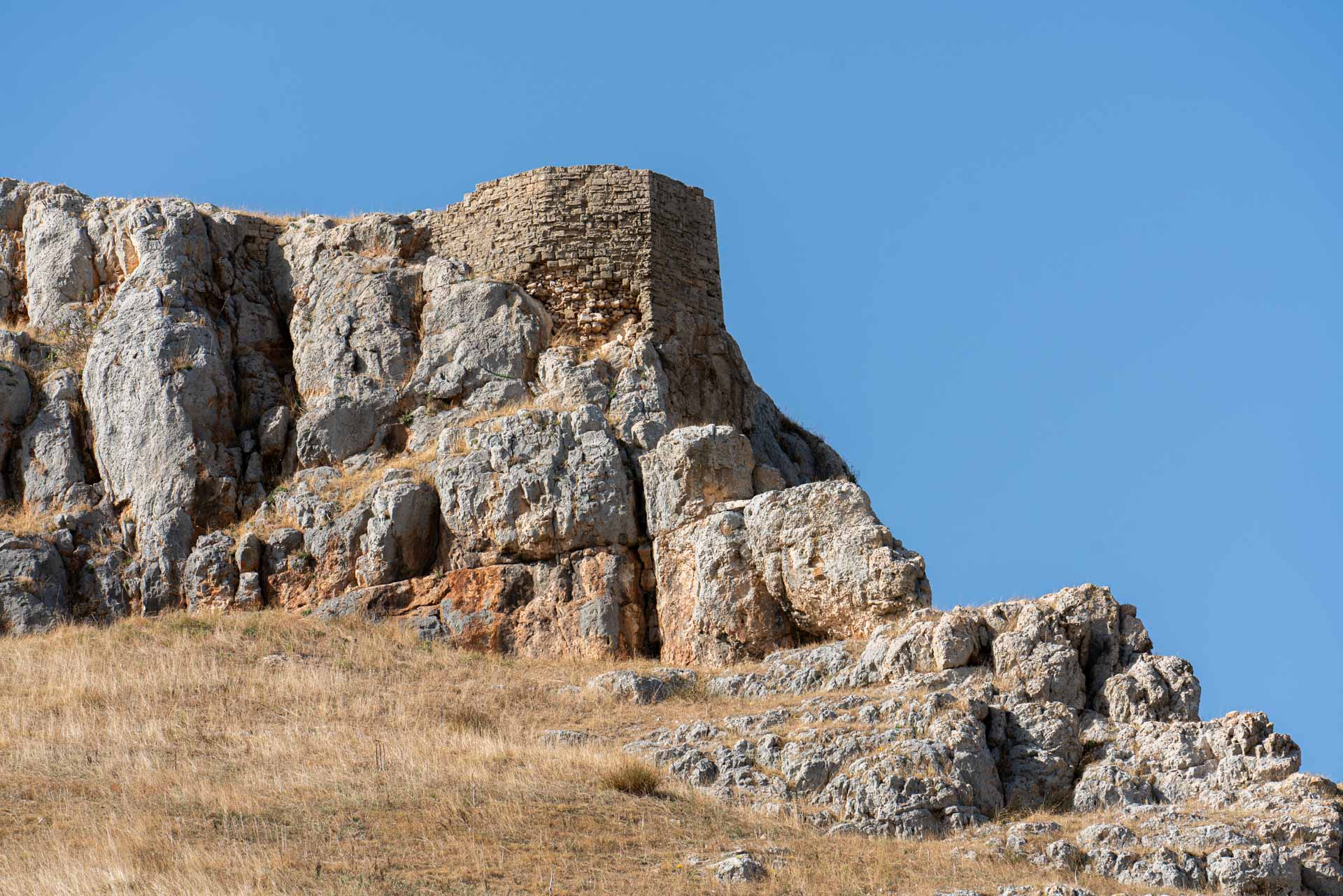
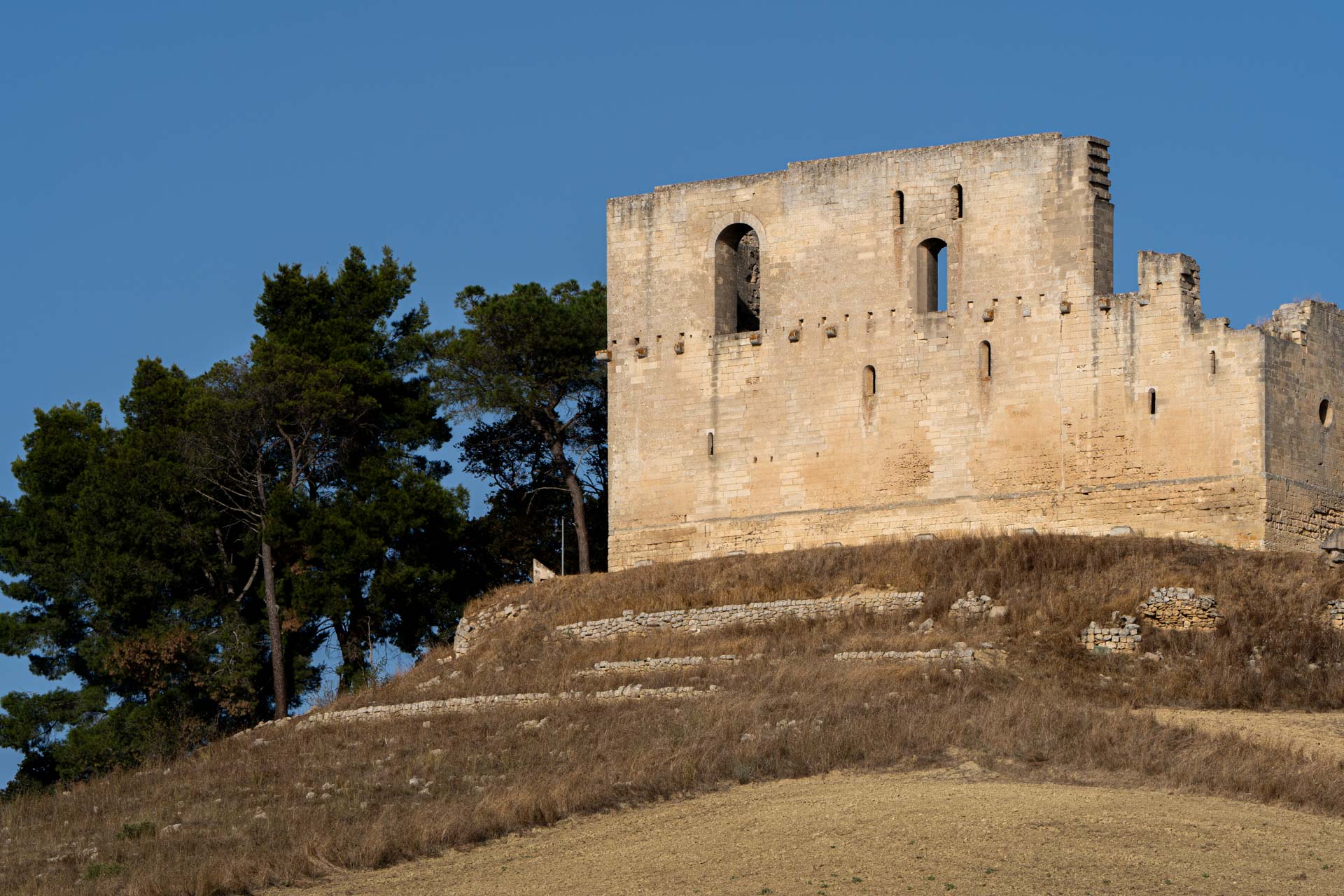
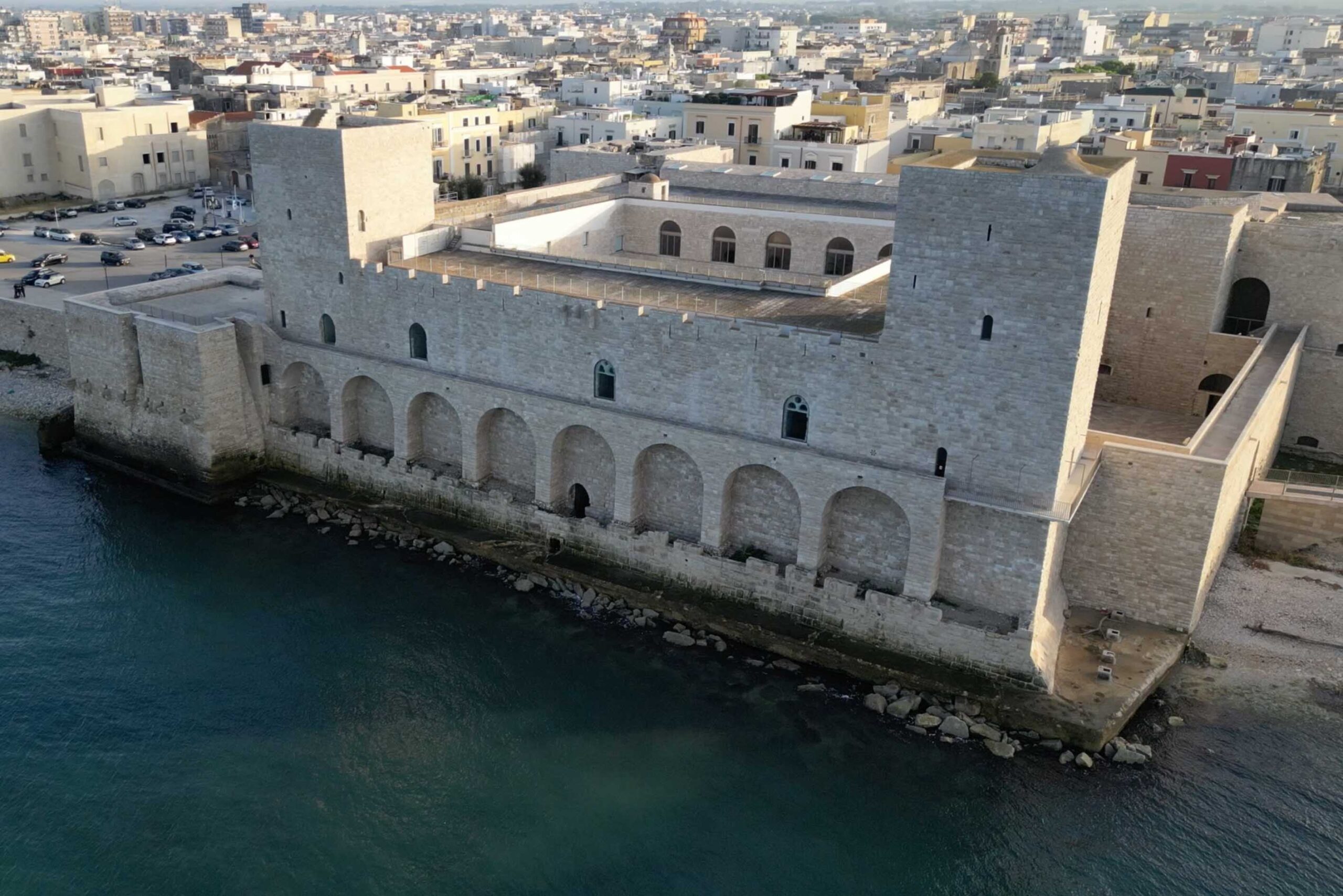
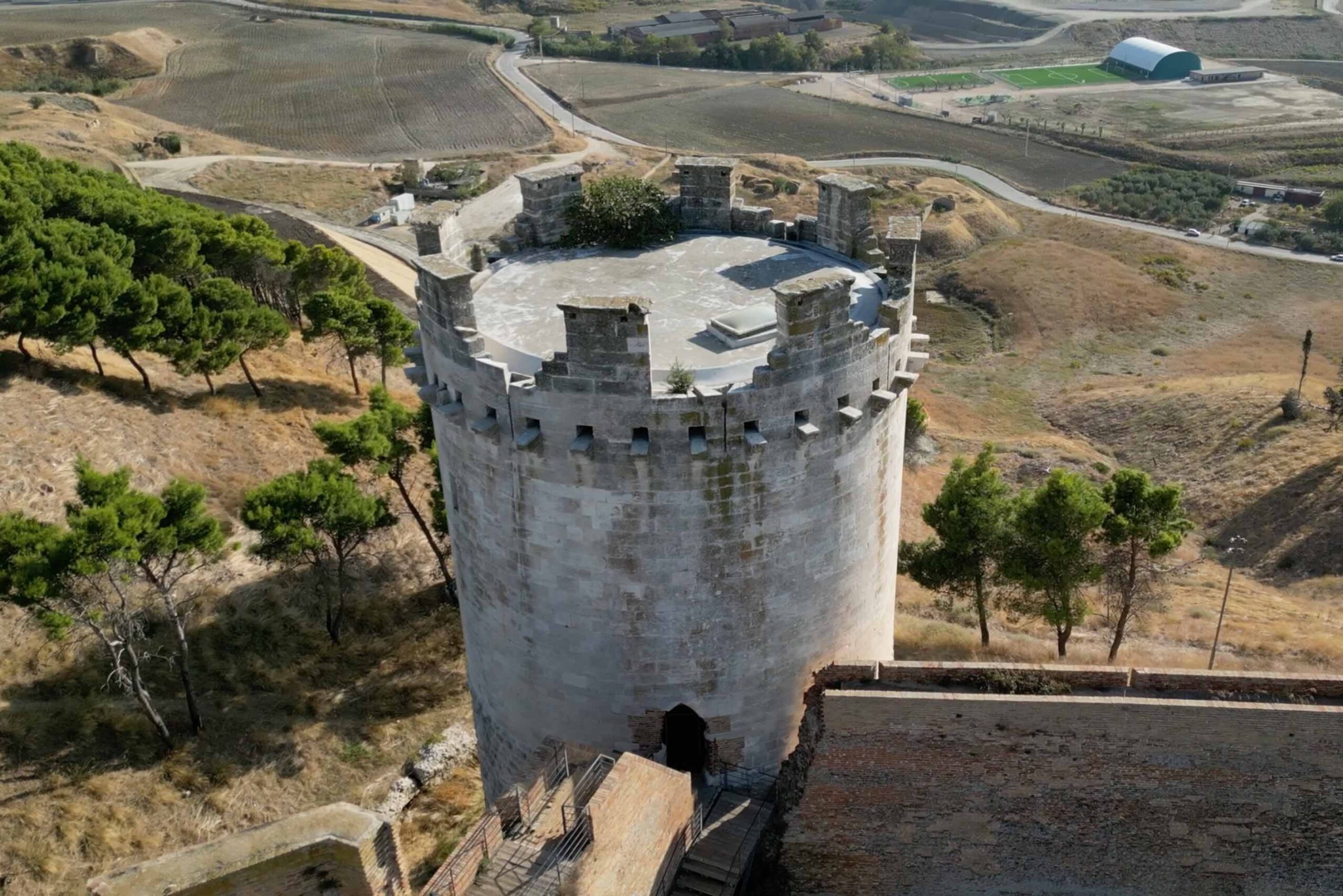
Each castle has its own peculiarities: some arise along the coast to control the ports and protect the cities from incursions from the sea, others were built along the main Roman road arteries.
Audio Guide